Recent analysis from AHDB has raised an important question for the UK dairy industry: will there be enough milking cows to meet future demand? Their latest review highlights a continued decline in dairy female births, driven in part by the growing use of beef semen and changing market economics. AHDB notes that annual registrations of dairy females to dairy sires have been falling for several years, while beef-on-dairy matings continue to increase, raising concerns around future replacement availability.
Against this backdrop, the supply of dairy replacement heifers across the UK is tightening, and concern is growing. The pressure is coming from more than one direction. For producers reviewing their breeding strategy, the message is increasingly clear: now is the time to use more sexed dairy semen to breed your own replacements and reduce reliance on a market that has become both expensive and genetically diluted.
Further reading: AHDB's article, Will there be enough milking cows to meet future demand? Weighing up beef vs milk, explores the wider industry trends shaping future replacement availability.
A perfect storm for heifer supply
Three forces are converging to reduce the availability of quality dairy heifers across the UK.
Firstly, beef-on-dairy breeding has accelerated significantly. Strong beef calf prices, the cost advantage of beef semen over sexed dairy semen and milk price volatility have all encouraged producers to use beef sires across a larger proportion of the herd than may be sustainable from a long-term replacement perspective. Fewer dairy matings mean fewer heifer calves born and fewer future replacements entering the pipeline.
Secondly, the flow of imported heifers into the UK has slowed considerably. Health restrictions and quarantine requirements have reduced the volume of cattle arriving from traditional supply markets, removing what was previously a useful safety valve for producers running short on homebred replacements.
Thirdly, milk buyers limiting volumes have encouraged some producers to cull more cows rather than carry animals they cannot profitably milk. That increases immediate demand for replacements at exactly the point when supply is tightening.
As Glyn Lucas, Auctioneer at Harrison & Hetherington, explains:
"The beef trade has definitely influenced breeding decisions. Calf values are there, and farmers have responded, but we're now seeing fewer dairy heifers and more competition for the good ones that do come forward."
The genetics problem with buying in
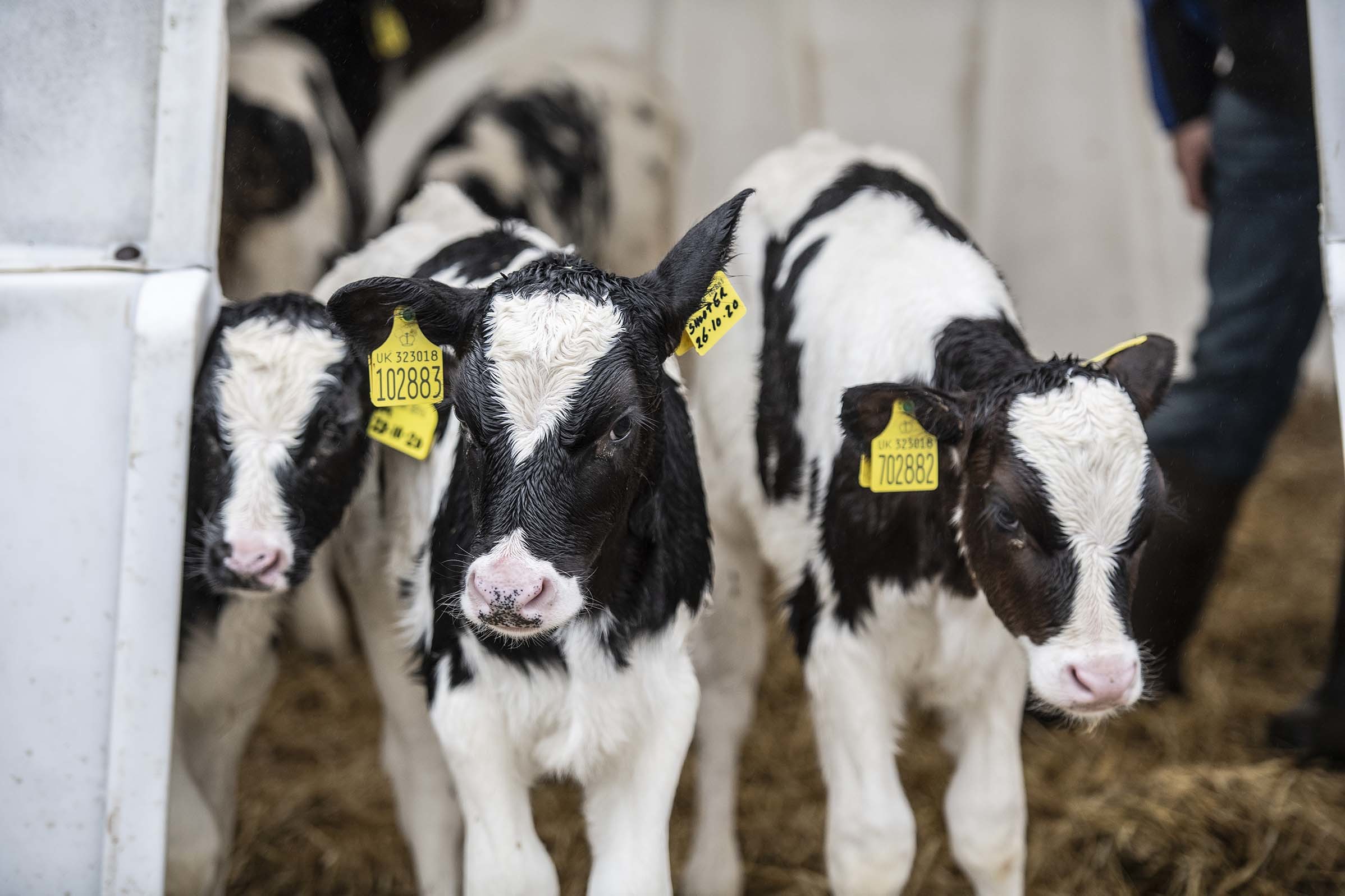
The financial cost of buying replacements is one issue. The genetic quality of what's available is another, and arguably the more significant concern for long-term herd performance.
When supply is tight, producers with their best heifers rarely sell them. What comes to market is often the stock owners are most willing to part with. For buyers, that can mean paying a premium for animals that offer less genetic potential than homebred replacements selected from the herd's highest-performing cows.
A producer using sexed dairy semen strategically on their highest-merit females can achieve meaningful genetic progress year after year. A producer relying on purchased replacements risks paying more while standing still genetically.
As AHDB highlights, many producers are now breeding only the replacement numbers they need while putting the remainder to beef, creating a situation where availability could become increasingly restricted for farms dependent on buying replacements.
Why sexed semen makes more sense than ever
The economic case for using sexed dairy semen has strengthened considerably in recent years.
Feed costs have become more favourable, improving the economics of rearing homebred heifers from birth through to first calving. At the same time, replacement heifer values remain firm, widening the gap between the cost of breeding your own replacements and buying them in.
Advances in sexed semen technology have also transformed performance. Products such as 4M Ultraplus HighPurity™ provide producers with access to highly reliable sexed semen that can become a central part of a modern breeding strategy.
Used on the highest genetic merit animals within the herd, sexed dairy semen can produce replacement heifers capable of delivering improvements in milk production, health, fertility and longevity for years to come.
This does not mean abandoning beef-on-dairy breeding. In fact, many of the most profitable herds successfully combine both. The key is taking a targeted approach by using sexed dairy semen on your best females and beef semen on the remainder of the herd.
At Cogent, our Genetic Consultants work with producers to develop an Ultimate Breeding Strategy, helping each herd find the right balance between replacement production, genetic progress and beef calf income.
Giving sexed semen the best chance
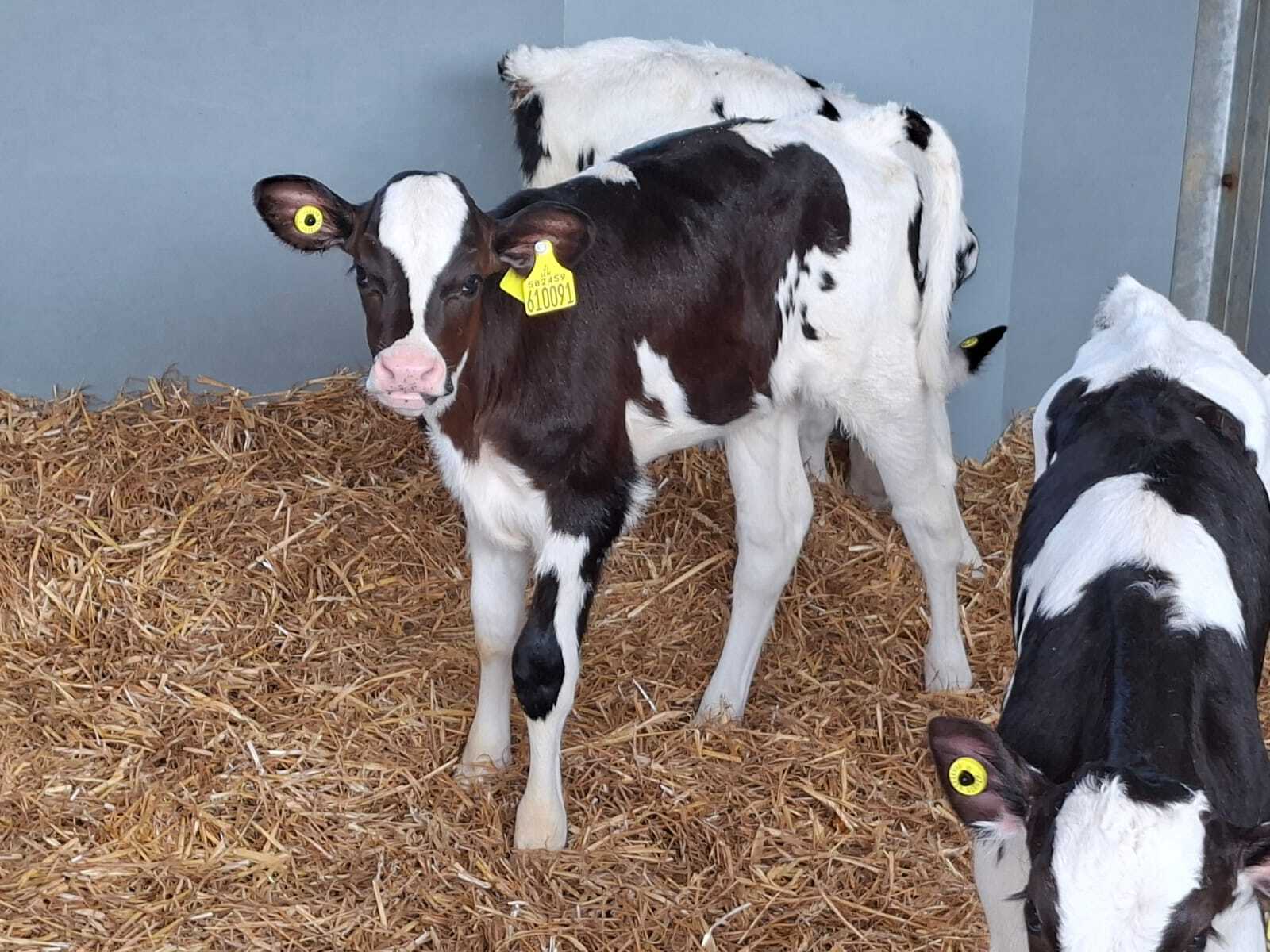
A breeding strategy is only part of the equation. To maximise the value of sexed semen, reproductive performance must be strong enough to deliver the required number of replacements.
Accurate heat detection and correct AI timing are critical. Missed heats and poorly timed inseminations reduce conception rates and increase the cost per pregnancy, undermining the value of even the strongest breeding programme.
This is where technology can make a significant difference.
PrecisionCOW, powered by Nedap monitoring technology, provides continuous, highly accurate heat detection, helping producers identify cows at the optimal time for insemination. Combined with Cogent's PrecisionREPRO breeding services and 4M Ultraplus High Purity sexed semen, farms can implement a structured, data-driven approach to replacement heifer production.
Richard Baines, Regional Sales Manager at Cogent Breeding, comments:
"The farms that are going to feel this most acutely are those that have drifted too far into beef-on-dairy without keeping a close eye on replacement requirements. We're already seeing producers who are short of heifers having to buy at prices that seriously impact profitability. With the right breeding strategy, supported by accurate heat detection and the correct use of sexed semen, many of those farms could have avoided the problem altogether."
Industry insight: a tightening replacement market
AHDB's analysis suggests there are clear indications of future tightness in dairy heifer supply, linked to declining dairy female births, increased use of beef semen and a continued focus on short-term beef revenues. They also highlight that global dairy demand is expected to increase over the longer term, creating further pressure on replacement availability and pricing.
The organisation points to record-high replacement cow prices in the US and notes that similar market pressures could emerge in the UK if heifer supplies become constrained.
For producers, this underlines the importance of planning ahead. Replacement shortages cannot be solved overnight. Decisions made today will influence herd performance and availability two years from now.
The window is now
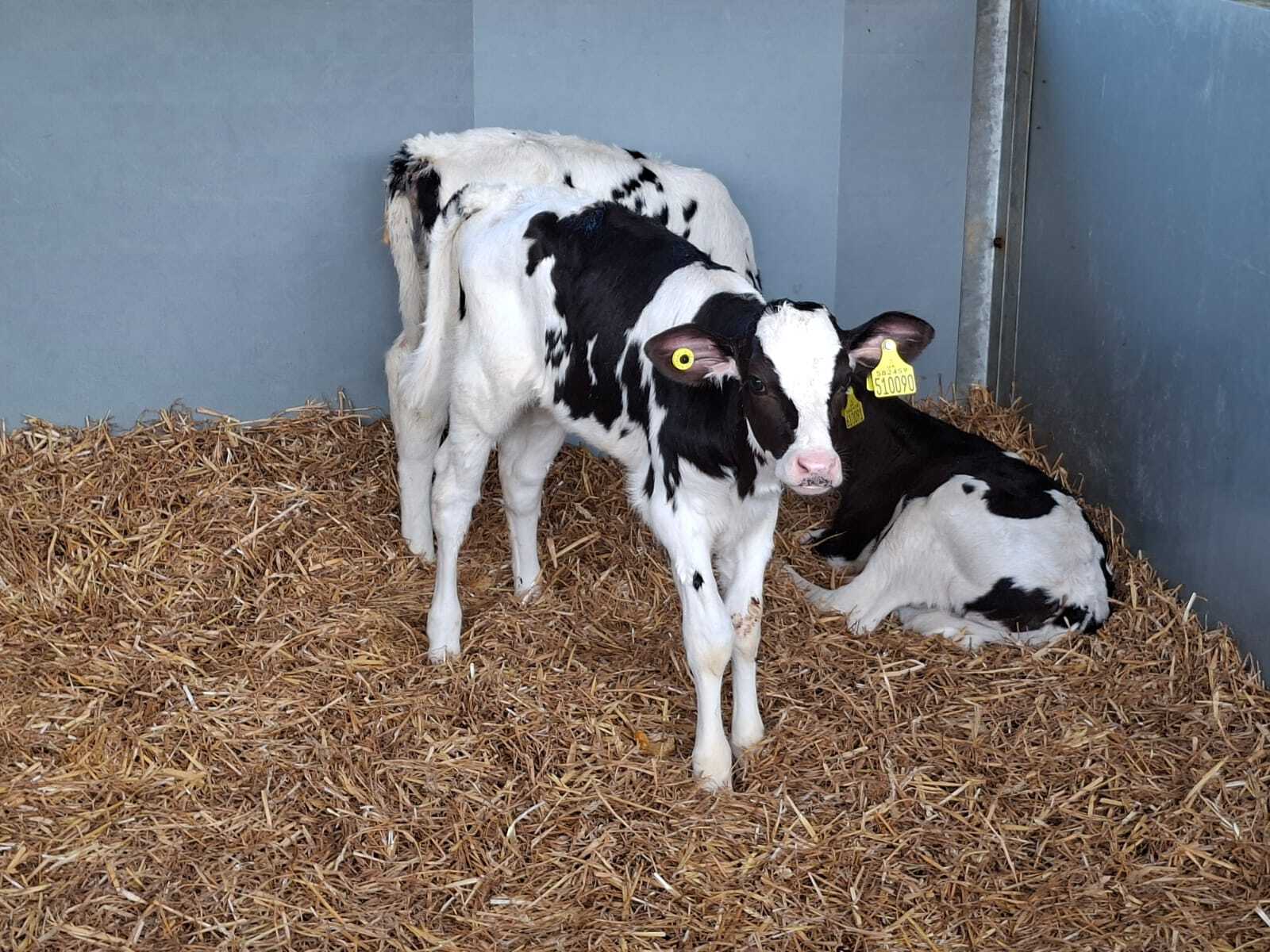
The combination of favourable rearing economics, rising replacement values, tighter import supply and increasing competition for quality genetics makes this an unusually clear-cut moment for dairy producers.
The message from both industry data and market trends is consistent: replacement heifer numbers are under pressure, and the farms that maintain a clear breeding strategy today will be best placed to meet future demand tomorrow.
Sexed dairy semen, used strategically on the best animals in the herd, offers a cost-effective and genetically progressive route to securing future replacements.
Producers who act now will be better placed as the market tightens further. Those who delay may find themselves purchasing replacements at premium prices from producers who planned ahead.
As Glyn Lucas concludes:
"In short, the message is simple: invest in quality now or pay for it later. The advantage lies with those breeding it, not those chasing it because, in a tightening market, the best genetics won't just hold their value, they'll set the price."
Speak to Cogent
If you're concerned about future replacement numbers or want to review your breeding strategy, speak to your local Cogent Genetic Consultant.
Whether you're looking to optimise your use of sexed semen, maximise beef-on-dairy returns, improve heat detection through PrecisionCOW or develop a complete breeding strategy, our team can help build a plan tailored to your herd's goals.