Westertown Farm in Aberdeenshire, home to Mackie’s ice cream, shows how sustainability and performance go hand in hand.
“You don’t have to choose between being green and being profitable - you can do both. That’s exactly what we’re proving here.”
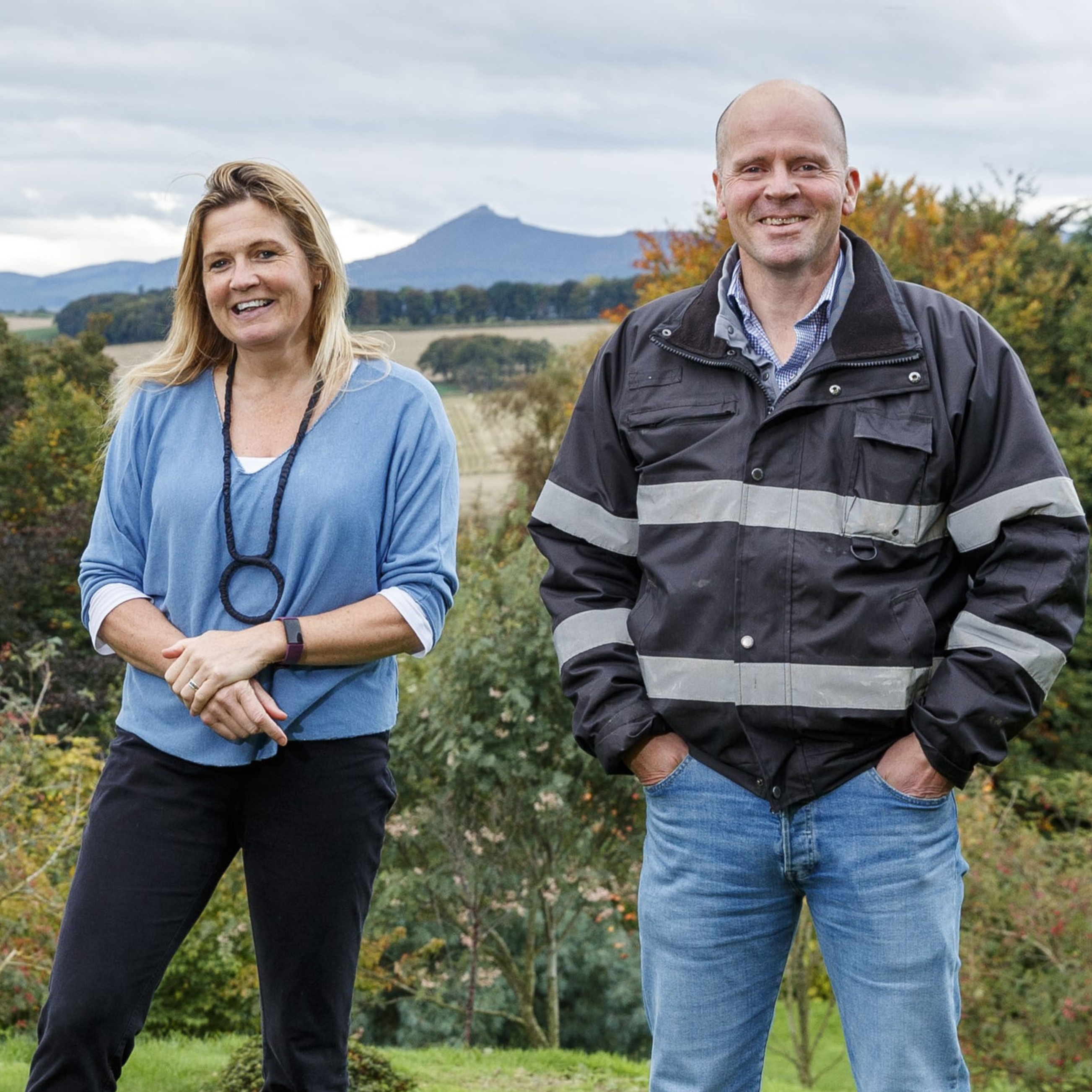
That’s the view of business owners Mac Mackie and his sister Kirsten, where 320 cows are milked as part of a fully housed, highly automated and vertically integrated dairy business.
The brother and sister explain that long-term thinking has always shaped decision-making on the farm.
“We’ve been farming here for just over 100 years and the ice cream business started in 1986. Sustainability didn’t used to be a buzzword - it was just good farming. Now we’re able to measure it, improve it and really align it with profitability.”
Early adopters of technology
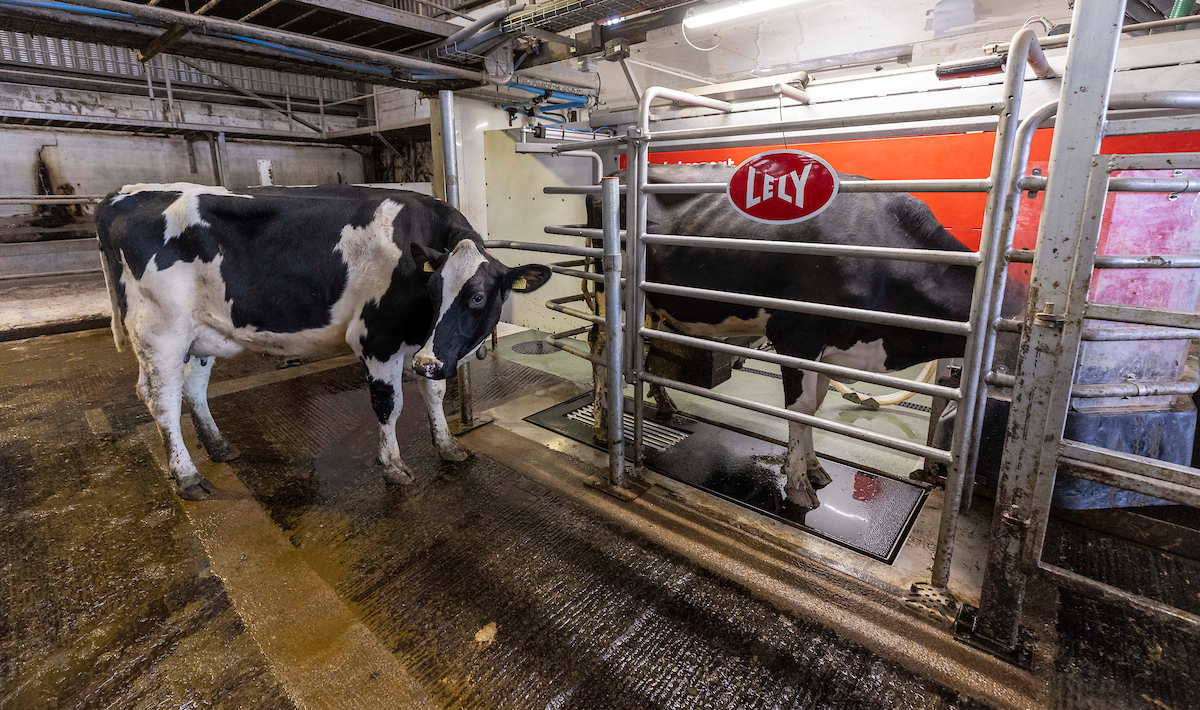
Westertown Farm is no stranger to innovation. One of the first robotic milking systems in the UK was installed here back in 2001.
That first robot was a big step at the time, but it set the tone for how the business operates.
“Today we’re running seven robots, milking 320 cows out of a total herd of 370, plus youngstock. Everything is fully housed and built around cow flow and consistency.”
Automation, David Smurthwaite - Farm Manager, says, has allowed the business to focus on precision management and genetics.
“The robots give us incredibly accurate data. That information feeds right into our breeding and management decisions.”
Genetics driven by the end product
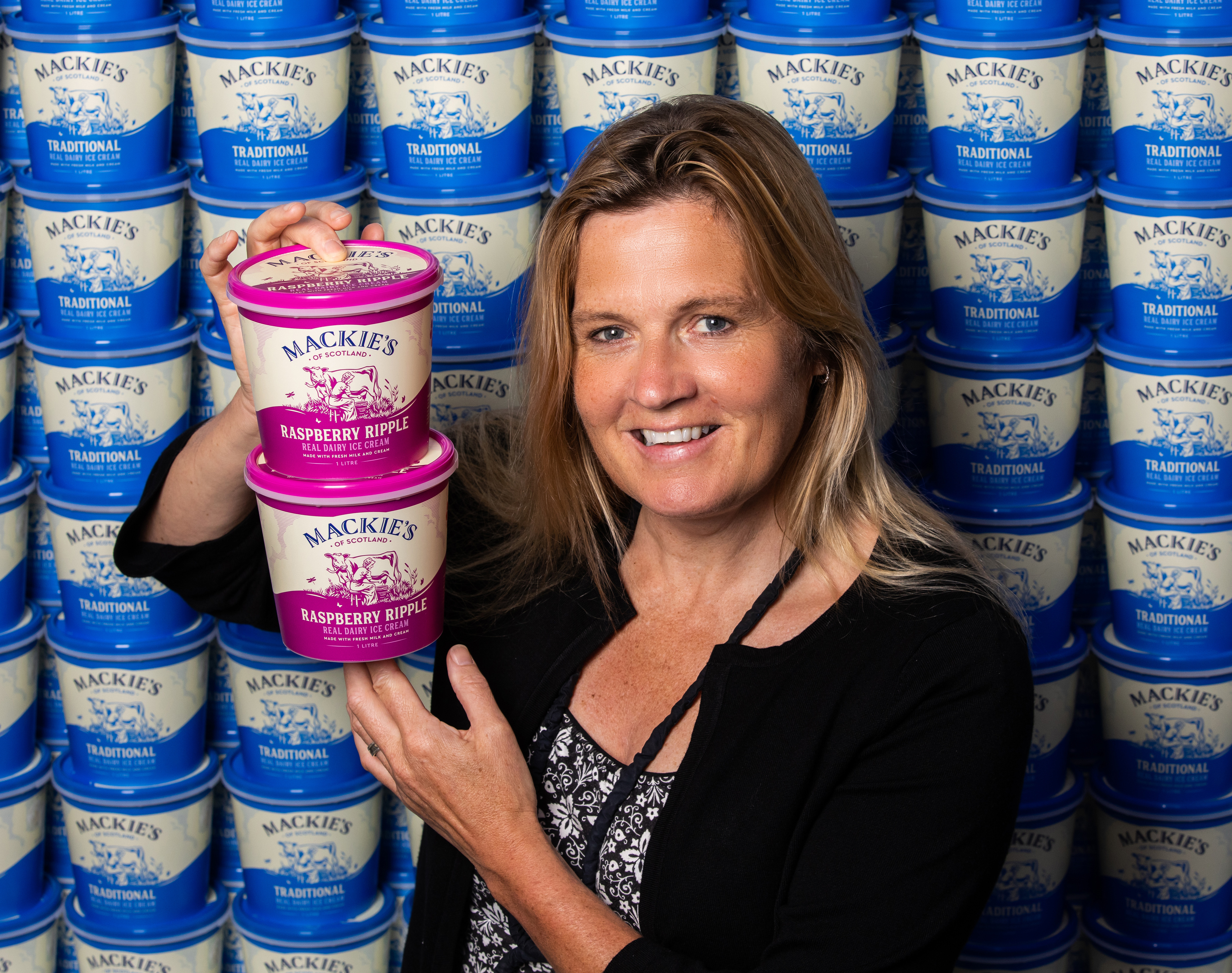
Unlike many dairy farms, Westertown produces milk for a very specific destination - ice cream made just yards away.
“When the cows are milked, the milk is pumped straight across to the factory. Every day, butterfat is measured during ice cream production to determine how much milk and cream we need in the recipe” explains Kirsten.
That direct link between milk and manufacturing has made milk quality - particularly butterfat - a major driver of genetic selection.
“At one point our fat was sitting at 3.2%. For us, a 0.1% change in fat was worth about £30,000. That really sharpened our focus” Kirsten goes on to say.
Working with Cogent, the herd has been bred intensively for components.
“Through genetic selection we’ve lifted fat levels to 4.1%. There’s still room to improve, and we know it’s achievable looking at other herds’ data” Mr Smurthwaite critiques.
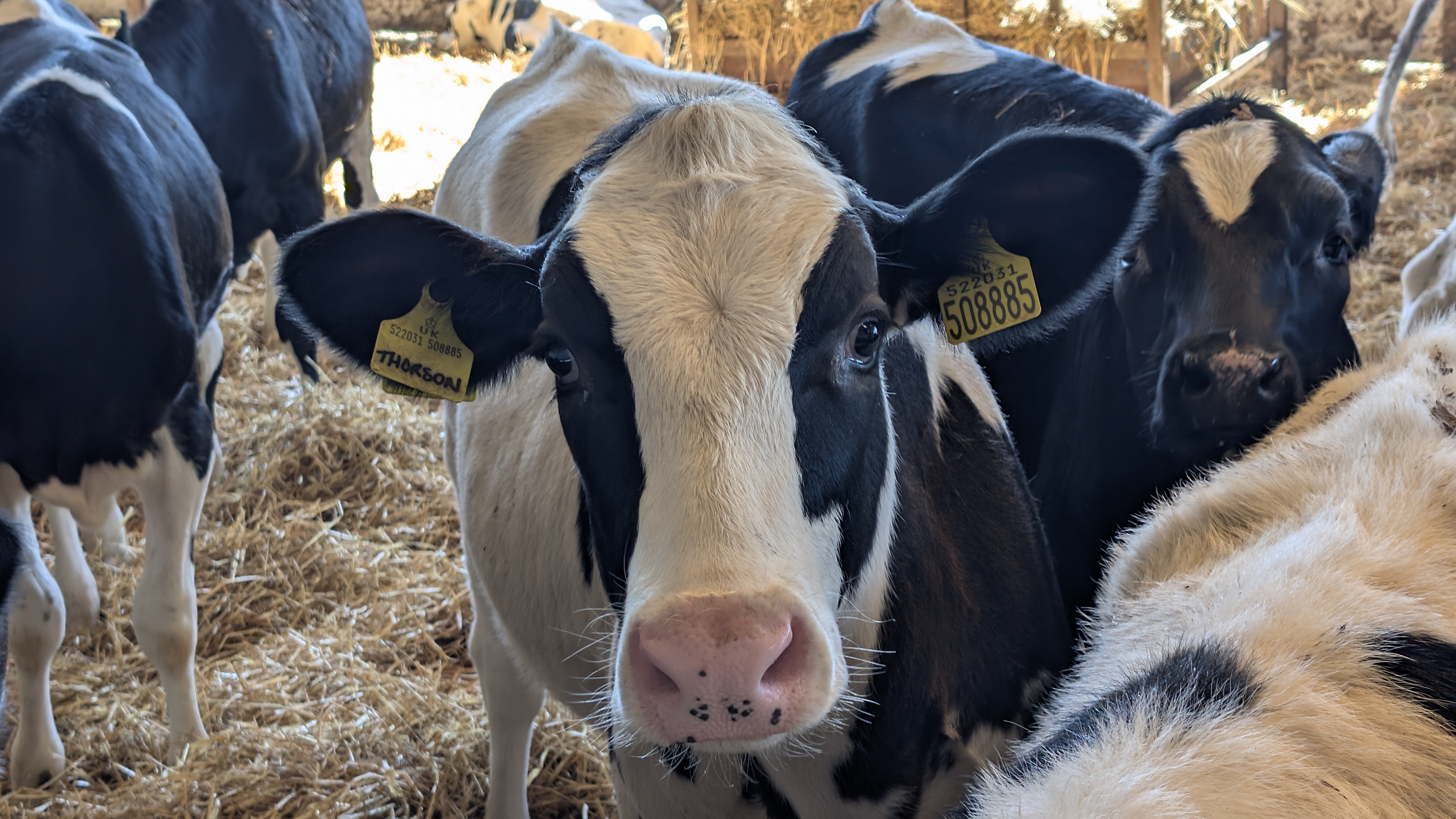
The current bull team – Darth Vader, Yammer and Mylo – follows in the footsteps of previous sires including Thorson, Dominance, Fanatic and Avalanche.
Supporting those decisions is Cogent Breeding Genetic Consultant Carla Madeley, who works closely with the farm team.
“Carla uses the tools available to analyse our genomic results and help select the right bulls. Everything is aligned with where we want the herd to go.”
Bull selection has been focused on the required phenotypes to match the needs of the ice cream business.
“We’re selecting for A2A2, strong fat and protein percentages, and EcoFeed scores over 100. It’s all about balanced cows that perform efficiently” Miss Madeley explains.
100% genomic testing driving smarter decisions
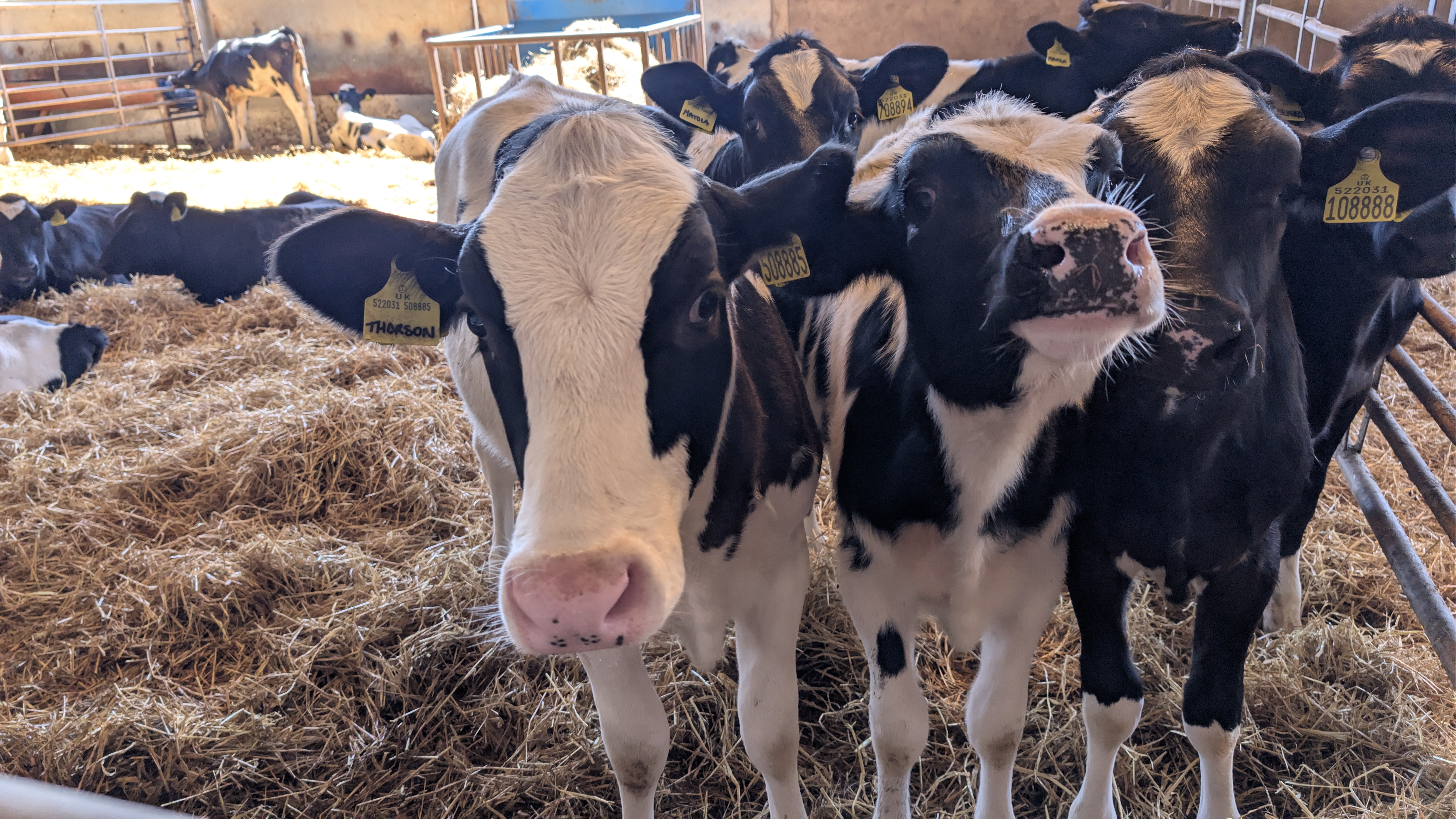
“For the last five years we’ve been 100% genomic testing with Cogent, and it’s completely changed how we think about breeding,” says Mr Smurthwaite. “Knowing what a calf is genetically capable of from such a young age is incredibly powerful.”
Genomic results are used to guide decisions early, with breeding strategies set well before first insemination. Cogent’s Chromosomal Mating uses genomic test data to model chromosome‑by‑chromosome inheritance, allowing each cow to be mated with the bull that will produce the most profitable, lowest‑risk calf - rather than relying on pedigree averages.
“By the time heifers are around 14 months old, we already know which animals we want to breed replacements from and which we don’t. That allows us to be very targeted and strategic.”
Alongside helping avoid unwanted haplotypes, Chromosomal Mating also underpins a clear split breeding strategy.
“Cows that don’t quite hit our replacement criteria are put to Cogent’s Triple Impact beef semen. Those calves add more value and are all sold locally for rearing and finishing, which works well for us and for the local beef producer.”
Mr Smurthwaite says the system improves efficiency across the herd while reducing unnecessary replacement numbers.
“It’s about making the best use of every cow. Genomics tells us where to focus dairy replacements, and beef semen gives us a stronger, more marketable calf from the rest. It’s another way of improving sustainability and profitability at the same time.”
All inseminations are carried out in-house so everything ties together – genomics, bull selection and day-to-day herd management. It gives full control and confidence in the direction of the herd.
Sustainability built into the system
The Mackie’s Ice Cream mission is bold: to become a trusted global brand from the greenest company in Britain, created by people having fun.
Being based in Scotland offers natural advantages, explains Mr Smurthwaite.
“We’re lucky with the resources we have here. We’ve got four wind turbines and a solar farm, and we produce more green electricity than we actually use.”
Currently, around two-thirds of the business’s power demand is met by renewables, with wind variability being the limiting factor.
“Battery storage is the next step. Once that’s in, we’ll be fully renewable.”
The business is also vertically integrated, manufacturing its own packaging and producing added ingredients on-site using green energy.
“That reduces our input emissions and gives us more control over the whole process – from sky to scoop.”
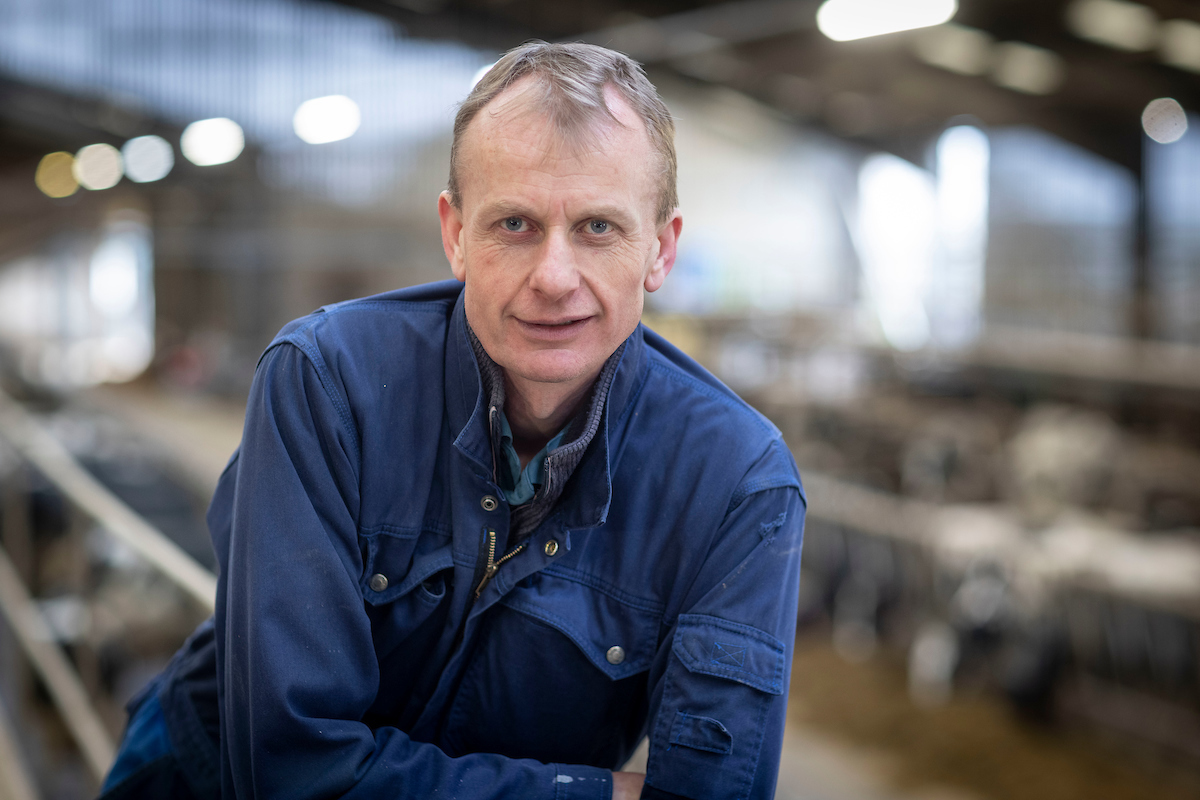
Efficient cows for a growing business
As the ice cream side of the business continues to expand, breeding strategy is evolving with it.
“The main focus is cows that give a mix of good yield and high butterfats. The more milk we can produce on-farm, the less we need to buy in.”
Longevity also plays a key role.
“Cows that stay in the herd longer are better for sustainability and profitability. You spread rearing costs over more lactations and reduce your environmental footprint at the same time.”
EcoFeed has become central to achieving those goals. High EcoFeed bulls consume around 15% less feed, 21% less water and emit 15% less methane than low EcoFeed bulls.
Crucially, Mr Smurthwaite says efficiency gains are not coming at the expense of milk quality.
“Being able to select for EcoFeed while still improving fat and protein is a real win. It shows you don’t have to compromise.”
A clear breeding vision
For Mr Smurthwaite, the message to other dairy farmers is straightforward.
“Efficiency, genetics and sustainability all go together. If you’re breeding the right cows, managing them well and using the data available, you really can be green and profitable - we’re living proof of that.”