For years, producers wanting polled cattle often faced a genuine constraint: a narrower choice of sires, less selection pressure on performance traits, and the nagging sense that choosing polled meant accepting compromise somewhere. For many years, it was simply easier to stick with the best-performing bulls available and manage horns as a routine part of farm life. Today, that constraint has gone. Polled genetics have reached a point where dairy and beef producers alike can select for hornless cattle without giving ground on production, fertility or conformation. The choice is no longer polled or the best genetics. It is polled and the best genetics.
Understanding the polled gene
The polled trait – the genetic absence of horns – is determined by a dominant gene located on bovine chromosome 1. Crucially, this dominance means that even one copy of the polled allele is enough to produce a hornless animal. Animals carrying two copies are described as homozygous polled (PP), while those with a single copy alongside a horned allele are heterozygous polled (P).
The practical implication is profound:
- A heterozygous polled bull mated to unselected cows will produce approximately 50% polled offspring
- A homozygous polled bull guarantees 100% polled offspring, regardless of the dam’s genetics
This means complete herd transformation is now possible with the genetics available today. Genomic testing has made it straightforward to confirm whether a visually polled animal is PP or P, removing any guesswork from breeding decisions.
Dairy: Holstein polled genetics have never been stronger
Historically, the polled gene was rare in dairy Holsteins. Breeding programmes prioritised milk production above all else, and polled sires simply could not compete on production merit. That picture has changed dramatically, even though the UK herd is still early in the transition to polled sires.
In Germany – one of the world’s leading Holstein breeding nations – genomic testing of the female Holstein population in 2023 showed that 21% of animals were polled, with industry projections expecting that by 2025 around 40% of Holstein breedings in Germany will use heterozygous polled sires and 32% homozygous polled sires. That is an extraordinary shift in just a few years, driven entirely by the improved genetic quality of polled sires. In Canada, the proportion of Holstein females carrying the polled gene has risen from around 1.5% to roughly 12.5% in the last decade. The UK dairy herd is earlier in this transition, but the direction of travel is clear and with bulls like Genosource Jumpstart P competed at the top of the UK genomic rankings, the tools to accelerate this shift are already here.
The key breakthrough is that top-ranking polled Holstein bulls today compete directly on the same indices - production, fertility, health, conformation – as their horned counterparts. The old compromise simply no longer exists.
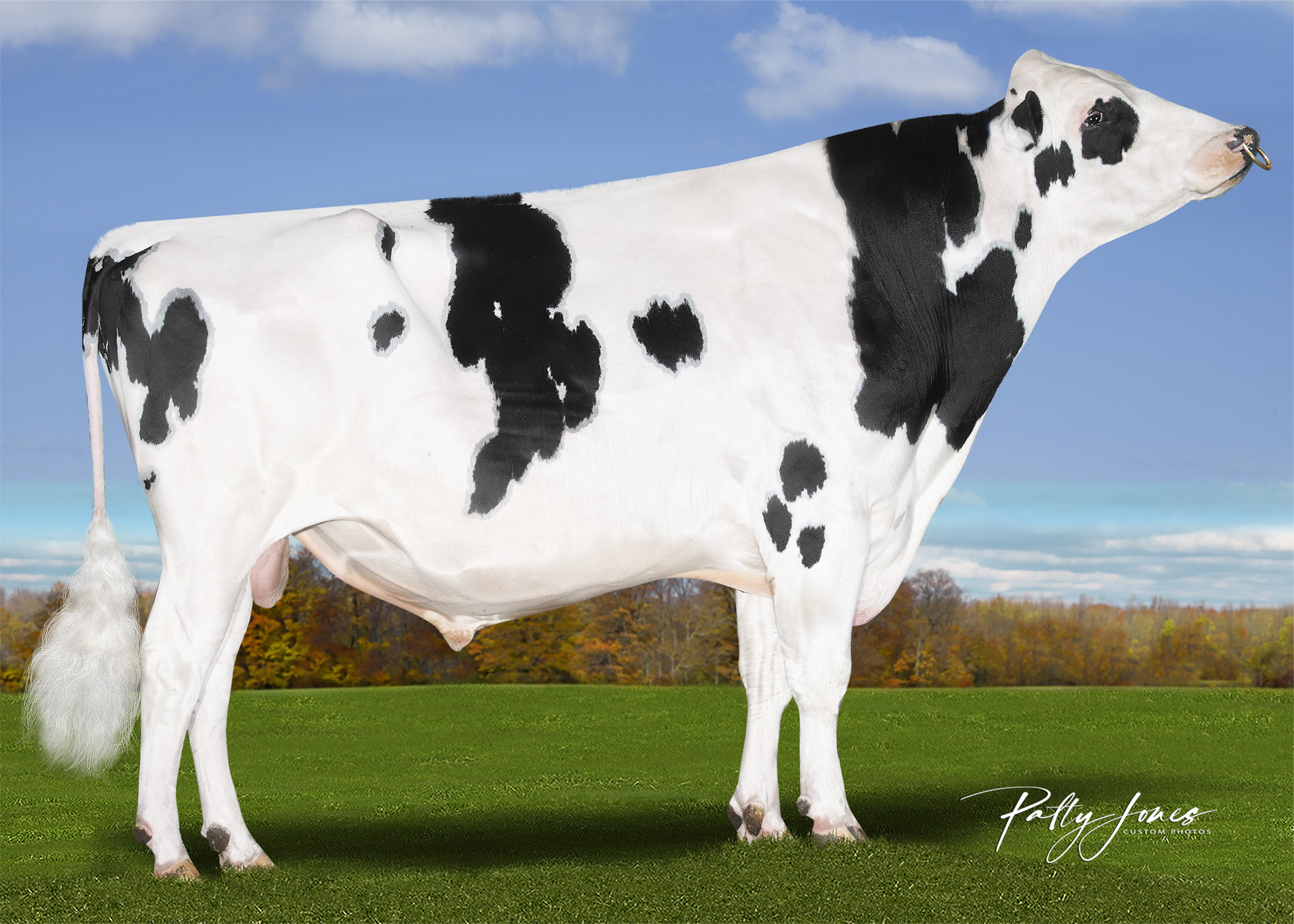
Cogent’s polled Holstein line-up
Through our partnership with Validity Genetic Testing in Canada, we are proud to offer UK dairy producers access to a significant and growing range of polled Holstein sires. Our current polled dairy line-up includes:
- A2P2 – combining the increasingly sought after A2 milk protein profile with homozygous polled status
- Right Stuff PP – a strong all-round sire with proven transmitting ability
- Matrix P – offering excellent type and production credentials
- Monarch PP – delivering elite Canadian style, strong body capacity, and a major boost to milk production components
- Apollo PP – homozygous polled, with outstanding health trait rankings
This breadth of choice means dairy producers can select on genetics first – choosing the sire that best suits their herd’s needs for production, fertility, or type – and still achieve polled offspring.
Beef: polled selection is now a baseline expectation
In the beef sector, naturally polled breeds such as Angus have long carried the polled gene at high frequency without any compromise to performance. That experience has helped build confidence across other beef breeds that selecting for polled need not come at a cost.
Analysis of estimated breeding values (EBVs) across millions of beef animals in multiple breeds has confirmed that modern polled beef cattle consistently show no negative trends in production or carcase traits compared to their horned contemporaries. Concerns about a genetic penalty for selecting polled animals were, in many cases, a legacy of earlier population where polled sires were simply fewer in number and less intensively selected. Today, with the tools of genomics and sophisticated selection indices, breeders can select hard for fertility, growth, and carcase merit while making polled a non-negotiable threshold.
The British Blue milestone
The British Blue breed has historically presented one of the greater challenges for polled selection, given the breed’s traditional focus on its celebrated double-muscled conformation and carcase quality. That is why our recent achievement with Thor PP represents such a landmark moment for UK beef genetics: the first fully progeny-tested homozygous polled British Blue bull to be made available through AI.
Thor PP did not require any compromise on the traits that make the British Blue exceptional. The expectation is that his progeny testing will confirm that calves will deliver the conformation, muscling, and carcase performance breeders except – and every one of them will be born without horns. This is precisely what modern polled genetics means in practice: the best of the breed, without the burden of dehorning.
Why it matters: welfare, regulation, and the supply chain
The welfare case for polled cattle is clear-cut, and the regulatory and commercial landscape is starting to reflect it.
The European Food Safety Authority (EFSA) published guidance in 2025 concluding that disbudding and dehorning should be avoided wherever possible, explicitly citing the breeding of genetically hornless cattle as the preferred long-term solution. Disbudding is increasingly scrutinised, and the direction of travel is towards elimination of these procedures rather than better management of them.
For beef producers, the economic case is equally compelling. Horns are a documented cause of bruising and carcase damage, with significant associated financial losses across the industry each year. They present genuine workplace health and safety risks during handling and transport. In a market where every percentage point of efficiency matters, eliminating horn-related losses is straightforward, permanent, and achievable in one breeding cycle.
For dairy producers, dehorning costs – labour, pain relief, equipment, recovery time – add up quickly across a calf crop. And increasingly, major processors and retailers are focusing on animal welfare on farm. Polled genetics removes that entire conversation.
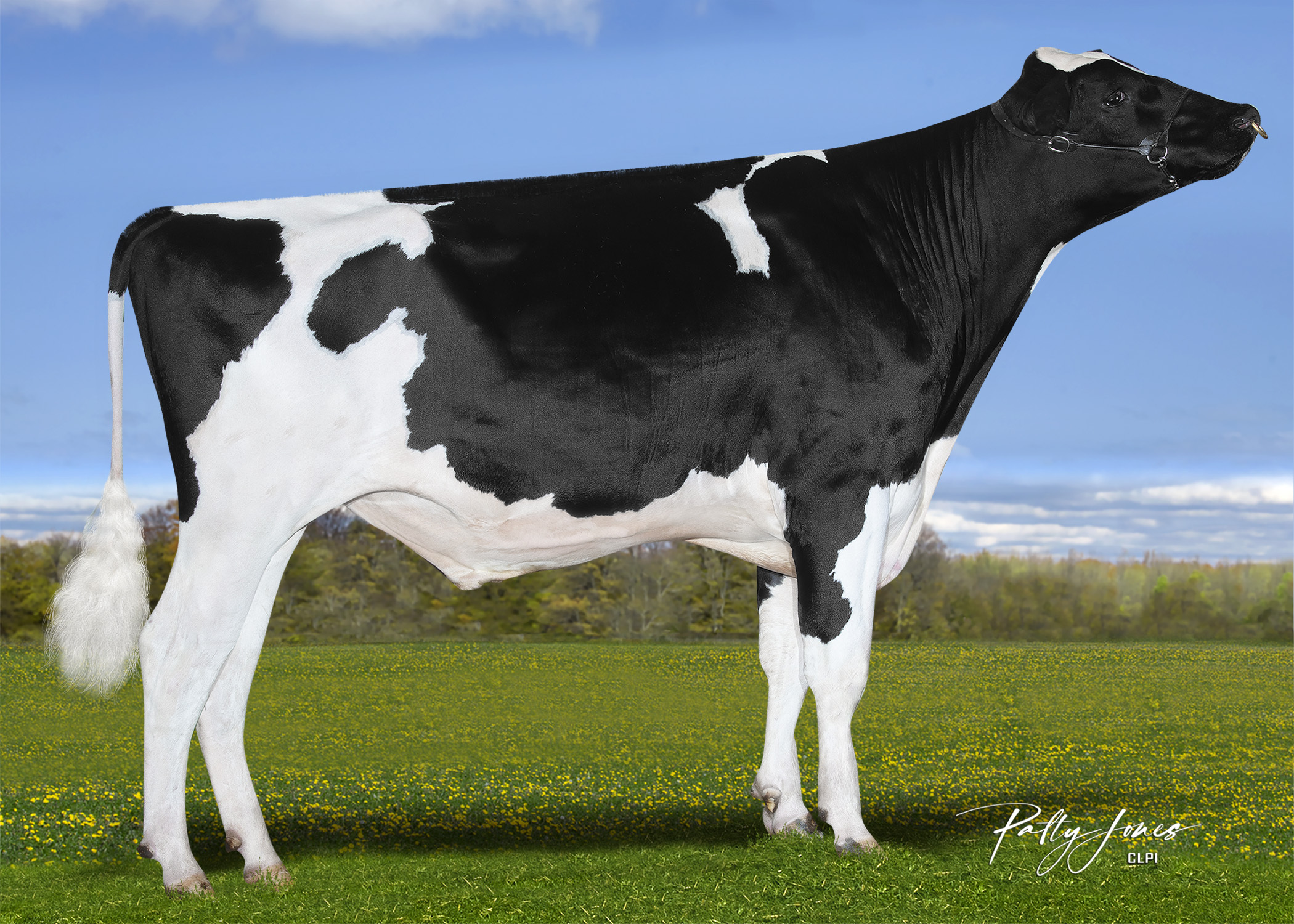
A global network, delivering the best to UK producers
At the heart of our approach is a commitment to sourcing the very best genetics available worldwide and making them accessible to UK farmers. Whether that is our partnership with Validity Genetic Testing in Canada bringing elite polled Holstein sires to UK dairy herds, or our work to identify and progress groundbreaking polled beef genetics here at home through our beef breeding programme. We believe UK producers deserve access to the same quality and choice as anywhere else in the world.
Polled genetics are no longer a niche selection. They are the direction of the entire industry – dairy and beef, nationally and globally. The tools are available, the genetics are exceptional, and the reasons to wait have run out.
To discuss our polled dairy or beef sire options, speak to your local Cogent Genetic Consultants or call us for free on 0800 783 7258.